Why Professional Mold Removal Boston Matters for Your Home
Living in Boston means dealing with old architecture, humid summers, and the occasional nor'easter. Over the years, I have seen plenty of basements that smell like wet earth and attics with dark patches spreading across the rafters. Mold is not just an eyesore. It can quietly damage your home and affect your health. Many homeowners think they can handle it themselves, but the reality is more complicated. That is where professional mold removal Boston services come into play. They bring the right equipment, knowledge, and safety measures to get the job done properly.
Understanding the Problem in Boston Homes
Boston has a unique mix of housing stock. You have triple-deckers in Dorchester, brownstones in Back Bay, and colonial-era homes in the suburbs. These buildings often have crawlspaces and unfinished basements that trap moisture. When water damage occurs from a burst pipe or a leaking roof, mold spores can take hold within 24 to 48 hours. The porous materials like drywall and wood become breeding grounds. I once helped a friend in Jamaica Plain who thought a small patch of mold on the ceiling was no big deal. Within a month, the entire corner of the room had turned black, and the drywall had started to crumble.
Many people reach for bleach when they see mold. That is a common mistake. Bleach can kill surface mold on non-porous surfaces, but on porous materials like drywall or wood, it only removes the color. The roots of the mold stay alive, and the problem returns. Vinegar is better in some cases because it can penetrate porous surfaces, but it is not strong enough for large infestations. Professional mold removal Boston experts use fungicides that are designed to kill mold at the root and prevent regrowth. They also know when materials need to be removed entirely rather than cleaned.
The Health Risks Go Beyond What You Can See
Mold spores are everywhere in the environment. Indoors, they become a problem when they find moisture and start colonizing. For people with allergies, asthma, or weakened immune systems, exposure can trigger serious reactions. Common symptoms include coughing, sneezing, skin rashes, and eye irritation. Over time, some molds produce mycotoxins that can cause more severe health issues. The EPA has published guidelines on mold remediation, but many homeowners ignore them until the problem is out of control.
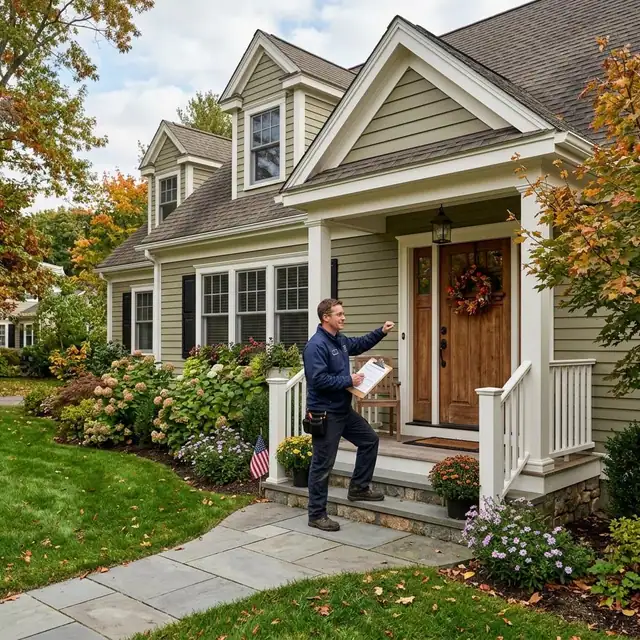
I recall inspecting a home in Quincy where the owners had been using an air purifier in the bedroom for months. They thought it was solving the musty smell. But when we opened the wall, we found black mold growing inside the cavity from a slow leak in the plumbing. The air purifier was just circulating the spores. A HEPA vacuum and proper containment were needed to clean it safely. That is why mold inspection and mold testing are critical first steps. They help identify the type of mold and the extent of the infestation before any remediation begins.
Why DIY Approaches Often Fall Short
It is tempting to save money by scrubbing mold yourself. I have seen people try everything from vinegar to hydrogen peroxide to store-bought sprays. Sometimes they work on small patches, but they rarely address the underlying moisture problem. Without fixing the source, the mold will keep coming back. Professional mold remediation goes beyond cleaning. It involves identifying the moisture source, drying the area, and applying antimicrobial treatments. It may also involve replacing contaminated materials like drywall or insulation.
Another issue is safety. Disturbing mold without proper protection can release a cloud of spores into the air. That can make the problem worse and expose everyone in the home. Professionals wear protective gear, use negative air pressure, and seal off the work area. They also know how to handle situations where asbestos might be present, especially in older Boston buildings. Asbestos was used in many construction materials before the 1980s. Disturbing it during mold removal can create a separate health hazard. A good mold removal company will coordinate with asbestos abatement specialists if needed.
Key Areas Where Mold Thrives in Boston Homes
Certain spots in a home are more prone to mold than others. Based on my experience, these are the most common trouble areas:
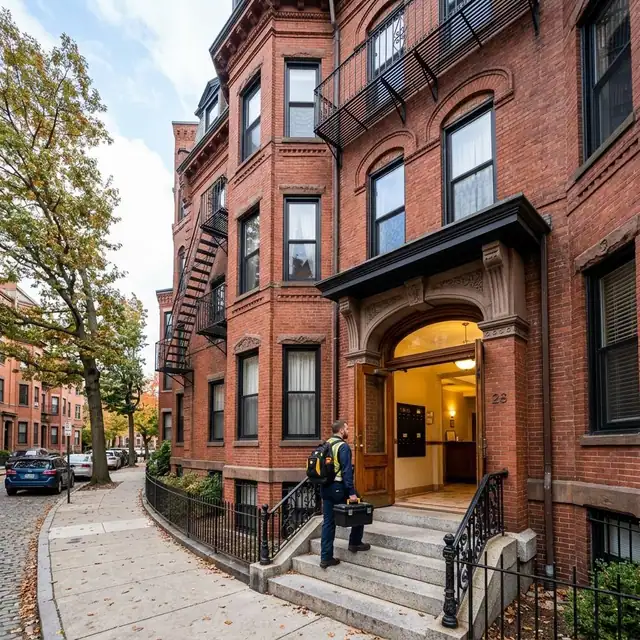
- Basements: Often damp and poorly ventilated, especially in older homes with stone foundations. A dehumidifier can help, but it is not a cure for a chronic moisture problem.
- Attics: Roof leaks and poor insulation can lead to condensation. Mold can grow on the underside of the roof sheathing and spread to stored items.
- Crawlspaces: These tight spaces are hard to access and often ignored. A missing moisture barrier or a leaking pipe can create a perfect environment for mold.
- Bathrooms and kitchens: High humidity from showers and cooking. Exhaust fans help, but they need to be vented outside, not just into the attic.
- HVAC systems: Mold can grow inside ducts and on cooling coils. When the system runs, it spreads spores throughout the house. Regular maintenance and HEPA filters are important.
The Role of Professional Equipment and Techniques
Professional mold removal Boston companies use tools that are not available to the average homeowner. Moisture meters can detect hidden dampness inside walls. Thermal imaging cameras can show temperature differences that indicate leaks. HEPA vacuums capture particles as small as 0.3 microns, which is essential for removing mold spores from surfaces and the air. Air scrubbers with HEPA filters can clean the air during and after the remediation process.
In some cases, the cleanup involves removing and replacing drywall, carpet, or insulation. The key is to make sure the area is completely dry before rebuilding. A moisture barrier might be installed to prevent future problems. Crawlspaces often need a vapor barrier on the ground to stop moisture from rising from the soil. Basements might require a sump pump or improved drainage around the foundation. These are not quick fixes, but they are necessary for long-term control.
One thing I have learned over the years is that mold remediation is as much about prevention as it is about removal. Once the immediate problem is solved, maintaining low humidity and good ventilation is essential. A dehumidifier in the basement, an air purifier with a HEPA filter in the bedroom, and regular HVAC inspections can make a big difference. But if the mold has already spread extensively, professional help is the only safe option.
When to Call a Professional
Not every speck of mold requires a full-scale remediation. A small patch on a shower wall that stays dry can be cleaned with a fungicide and kept in check. But there are clear signs that you need expert help:
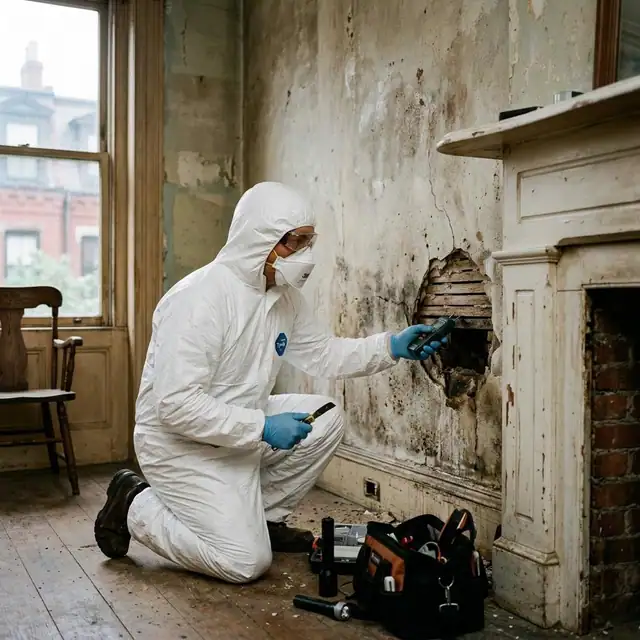
- The affected area is larger than about ten square feet.
- You smell mold but cannot see it, which suggests hidden growth inside walls or ceilings.
- Someone in the home has respiratory problems or allergies that seem worse indoors.
- The mold keeps coming back after cleaning, indicating a persistent moisture source.
- Water damage has soaked porous materials like drywall or wood for more than 48 hours.
In those cases, calling a professional for mold inspection and mold testing is a smart first step. They can assess the situation and recommend the right course of action. Many companies offer free estimates, and the cost of prevention is far less than the cost of major structural repairs later.
Final Thoughts on Keeping Your Home Safe
Mold is a fact of life in a city like Boston, with its old buildings and humid climate. But it does not have to take over your home. With prompt action when water damage occurs, proper ventilation, and the occasional professional check, you can keep mold at bay. If you are facing a persistent problem, professional mold removal Boston services can help you restore a healthy living environment. The peace of mind is worth the investment, especially when it comes to your family's health and the integrity of your home.